
What Defines a Next-Gen AI PC?
At its core, a **Next-Gen AI PC** distinguishes itself through dedicated hardware designed to accelerate artificial intelligence workloads directly on the device, rather than relying solely on cloud-based processing. This fundamental difference unlocks a host of benefits, from enhanced privacy to quicker responsiveness and reduced latency.
Traditional PCs rely heavily on the Central Processing Unit (CPU) and sometimes the Graphics Processing Unit (GPU) for computational tasks, including some AI operations. While powerful, these components aren’t always optimized for the specific, repetitive calculations inherent in AI algorithms. This is where the specialized hardware comes into play.
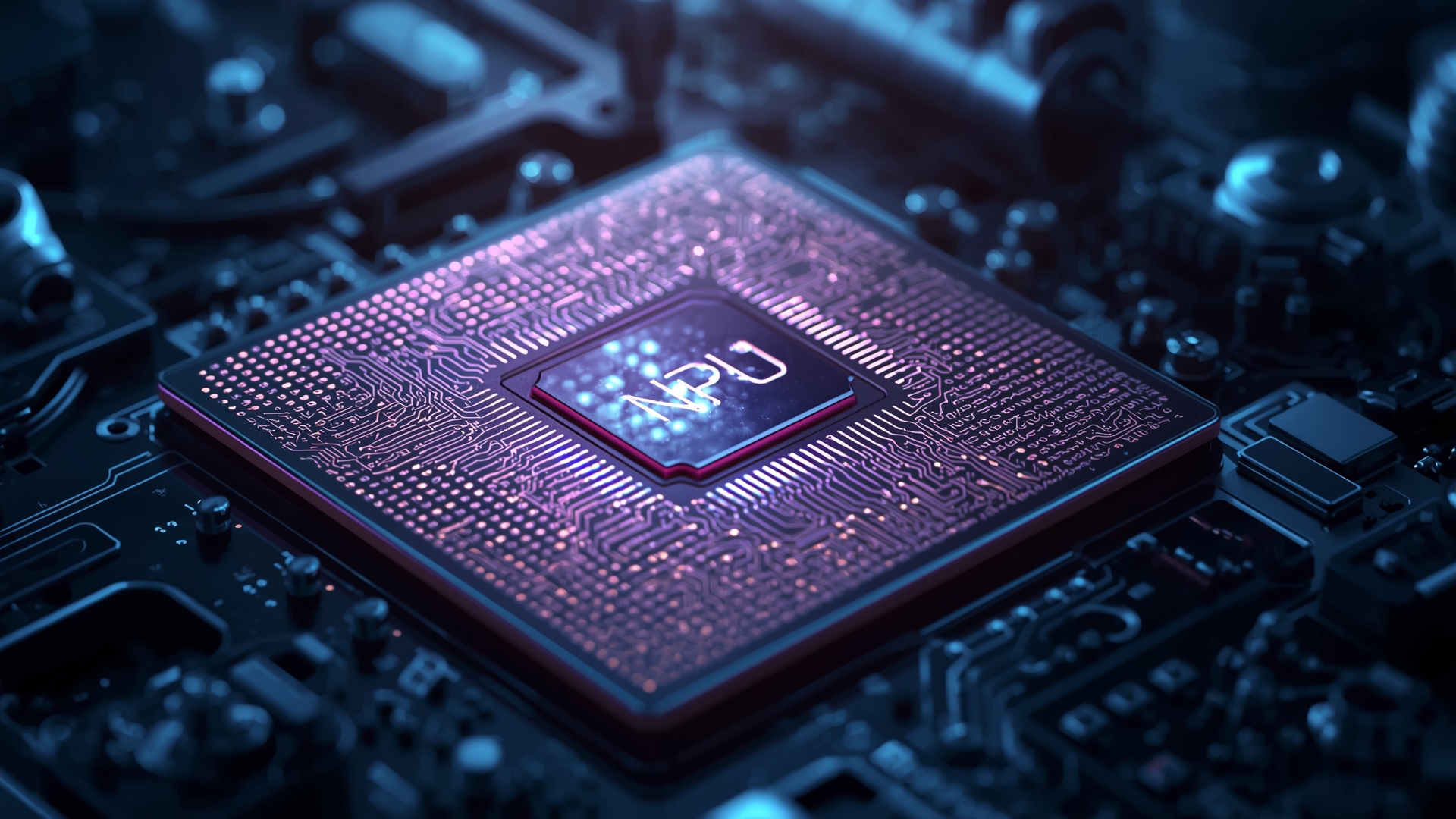
The key differentiator for a **Next-Gen AI PC** is the inclusion of a Neural Processing Unit, or NPU. This dedicated AI accelerator is designed from the ground up to handle machine learning tasks with far greater efficiency and lower power consumption than general-purpose CPUs or GPUs. Its architecture allows for parallel processing of AI models, making it ideal for tasks like real-time language translation, advanced image recognition, and sophisticated generative AI features.
Beyond the NPU, a true **Next-Gen AI PC** also features a tightly integrated software ecosystem. This includes operating system-level support for AI functions, optimized drivers, and a growing suite of applications designed to leverage the NPU’s capabilities. This holistic approach ensures that AI isn’t just a bolted-on feature but an intrinsic part of the computing experience, making the device feel more intuitive and powerful.
The Neural Processing Unit (NPU): The Heart of AI Computing
The NPU is the unsung hero behind the capabilities of **Next-Gen AI PCs**. Unlike a CPU, which is a general-purpose workhorse, or a GPU, which excels at parallel processing for graphics, the NPU is specifically engineered for the intricate mathematical operations involved in neural networks and machine learning models.
This specialization allows NPUs to perform AI inferences — applying a trained AI model to new data — with incredible speed and energy efficiency. For example, tasks like real-time background blur in video calls, facial recognition for security, or content summarization can run directly on the device without sending data to the cloud. This not only enhances privacy but also ensures consistent performance even when internet connectivity is poor or non-existent.
Leading chip manufacturers like Intel, Qualcomm, and AMD are all integrating powerful NPUs into their latest processors. Intel’s Core Ultra processors, for instance, prominently feature a built-in NPU designed to offload AI workloads from the CPU and GPU. Similarly, Qualcomm’s Snapdragon X Elite chips boast a formidable NPU capable of trillions of operations per second, pushing the boundaries of what’s possible in mobile and portable **Next-Gen AI PCs**.
The benefits extend to battery life as well. By running AI tasks on a highly efficient NPU, the overall power consumption of the system is significantly reduced compared to running the same tasks on a less optimized CPU or GPU. This translates to longer unplugged usage, a crucial factor for the modern mobile workforce and creative professionals.
The Benefits: Why Should You Care About Next-Gen AI PCs?
The promise of **Next-Gen AI PCs** extends far beyond simple speed bumps. These machines are engineered to fundamentally enhance the user experience across various applications and daily interactions, offering tangible benefits that redefine productivity and creativity.
### Enhanced Productivity and Workflow
Imagine real-time transcription with perfect accuracy during meetings, intelligent summarization of lengthy documents, or predictive text that truly anticipates your needs – all without an internet connection. **Next-Gen AI PCs** are set to make these scenarios a reality, freeing up cognitive load and allowing users to focus on higher-value tasks. AI-powered tools can automate mundane operations, optimize data analysis, and even assist in complex decision-making processes, fundamentally streamlining professional workflows. This efficiency translates directly into more time for strategic thinking and innovation, making the workday more impactful. For more on maximizing efficiency, explore /explore-ai-software-innovations.
### Unleashing Creativity and Content Creation
For creators, **Next-Gen AI PCs** open up entirely new avenues. Image and video editing can be dramatically accelerated with AI-powered features like automatic object removal, intelligent upscaling, and style transfer. Generative AI tools can assist in drafting text, composing music, or even generating preliminary design concepts, acting as a creative co-pilot. Artists can leverage AI to create unique textures, patterns, and entire scenes, reducing the time spent on repetitive tasks and allowing for greater focus on artistic vision. The ability to render complex models or process large datasets on-device means less waiting and more creating.
### Superior Security and Privacy
One of the most compelling advantages of on-device AI processing is enhanced security and privacy. When AI tasks are performed locally, sensitive data doesn’t need to be sent to the cloud for processing. This significantly reduces the risk of data breaches and ensures that personal information remains on your device. AI can also power more sophisticated on-device security features, such as advanced threat detection, biometric authentication that learns and adapts, and intelligent monitoring for unusual system behavior, all without compromising user privacy.
### Optimized Performance and Battery Life
By offloading AI workloads to the NPU, the CPU and GPU are freed up to handle their primary tasks more efficiently. This leads to overall smoother system performance, especially during multitasking or when running demanding applications. Furthermore, NPUs are designed to be extremely power-efficient. Running AI tasks on an NPU consumes significantly less energy than doing so on a CPU or GPU, resulting in substantially extended battery life for laptops and other portable **Next-Gen AI PCs**, making them ideal companions for productivity on the go.
Key Players and Early Adopters in Next-Gen AI PCs
The race to define and dominate the market for **Next-Gen AI PCs** is fiercely competitive, with major tech giants investing heavily in both hardware and software innovation. This push is creating an exciting ecosystem of advanced computing.
### Intel’s AI PC Push
Intel has been a prominent voice in championing the AI PC, with its Core Ultra processors (Meteor Lake and Lunar Lake) featuring integrated NPUs. Intel’s strategy is to integrate AI acceleration across its entire product stack, making AI capabilities a standard feature. Their aim is to empower developers with robust tools and SDKs to fully utilize these NPUs, driving a new generation of AI-enhanced applications. This foundational hardware integration is crucial for the widespread adoption of Intel’s vision for the AI PC.
### Qualcomm’s Snapdragon X Elite
Qualcomm’s entrance with the Snapdragon X Elite and X Plus chips marks a significant moment, bringing ARM-based architecture with powerful integrated NPUs to the Windows ecosystem. These chips boast industry-leading NPU performance, promising unprecedented battery life and performance for **Next-Gen AI PCs** leveraging this platform. Devices powered by Snapdragon X Elite are designed to deliver exceptional multi-day battery life and seamless AI experiences, challenging the traditional x86 dominance in the PC market.
### Microsoft’s Copilot+ PCs
Microsoft is at the forefront of the software revolution for **Next-Gen AI PCs** with its ‘Copilot+ PC’ initiative. These are a new category of Windows PCs specifically designed to unlock advanced AI capabilities, deeply integrating Microsoft’s Copilot AI assistant and offering exclusive AI features. These features include ‘Recall’ for instantly finding anything you’ve seen on your PC, ‘Cocreator’ for real-time image generation, and ‘Live Captions’ for instant translation across 40+ languages. Copilot+ PCs require powerful NPUs (at least 40 TOPS) and robust hardware, indicating Microsoft’s clear vision for the future of Windows computing powered by on-device AI.
Challenges and Considerations for Next-Gen AI PCs
While the future of **Next-Gen AI PCs** looks bright, the transition isn’t without its hurdles. Several factors need to be addressed for these innovative machines to reach their full potential and achieve widespread consumer adoption.
### Software Optimization and Developer Adoption
The true power of **Next-Gen AI PCs** will only be realized when developers fully embrace and optimize their applications to leverage the NPU. This requires new development paradigms, robust SDKs from chip manufacturers and OS providers, and a learning curve for programmers. Without a rich ecosystem of AI-accelerated software, the dedicated NPU hardware might remain underutilized, offering little tangible benefit over traditional PCs. Encouraging this widespread developer adoption is a critical challenge. For insights into the underlying technology, see /understanding-npu-technology.
### Power Consumption vs. Performance
While NPUs are inherently more power-efficient for AI tasks than CPUs or GPUs, striking the right balance between raw AI performance and sustained battery life remains a design challenge. Pushing the limits of NPU capabilities could still lead to increased power draw, potentially impacting the very advantage of efficiency. Engineers must continually innovate to deliver ever-more powerful NPUs without compromising the ‘all-day battery’ expectation users have for modern portable devices.
### The Ethical Implications
As AI becomes more deeply integrated into our personal computing devices, ethical considerations become paramount. Issues surrounding data privacy, algorithmic bias, and the potential for misuse of powerful on-device AI capabilities need careful consideration. Features like ‘Recall,’ while convenient, raise questions about data retention and user consent. Industry leaders, policymakers, and users alike must engage in ongoing dialogue to establish responsible guidelines and ensure that **Next-Gen AI PCs** empower users without compromising their fundamental rights or well-being.
The Future Landscape of Next-Gen AI PCs
The trajectory for **Next-Gen AI PCs** points towards an increasingly intelligent and personalized computing experience. We can anticipate several key developments shaping their evolution in the coming years.
Firstly, expect to see NPUs become even more powerful and ubiquitous, moving beyond high-end machines to become a standard feature across all price points. This democratization of AI hardware will enable a broader range of users to benefit from on-device AI capabilities.
Secondly, the software ecosystem will mature rapidly. Developers will create more innovative applications that seamlessly integrate AI, making everyday tasks smoother and more intuitive. AI will transform not just creative and productivity apps, but also areas like education, entertainment, and accessibility, offering personalized learning experiences, dynamic game environments, and real-time assistive technologies.
Thirdly, the line between cloud AI and on-device AI will continue to blur. Hybrid models, where complex or resource-intensive AI tasks are offloaded to the cloud while real-time, privacy-sensitive tasks remain on the device, will become more common. This ‘intelligent edge’ approach will offer the best of both worlds, providing robust AI functionality regardless of connectivity or local processing power.
Finally, the human-computer interface itself will evolve. Voice and gesture controls, enhanced by AI, will become more sophisticated and natural, reducing reliance on traditional input methods. PCs will gain a deeper understanding of user context, anticipating needs and proactively assisting, making the machine feel less like a tool and more like a true assistant. This continuous innovation will solidify the position of **Next-Gen AI PCs** as the foundational platform for future digital interaction.
Conclusion
The era of **Next-Gen AI PCs** is not just an incremental upgrade; it represents a paradigm shift in how we interact with our technology. From unprecedented productivity gains to unlocking new frontiers in creativity, these machines are poised to redefine personal computing. The integration of dedicated Neural Processing Units is transforming devices into intelligent partners, capable of handling complex AI workloads with speed, efficiency, and enhanced privacy.
While challenges remain, particularly in software optimization, power management, and ethical considerations, the rapid pace of innovation from industry leaders suggests a future where our PCs are not merely tools, but intelligent, indispensable partners in every aspect of our digital lives. The intelligent edge is here, and it’s residing right on your desk, ready to transform what’s possible and usher in a truly intelligent age of personal computing.