
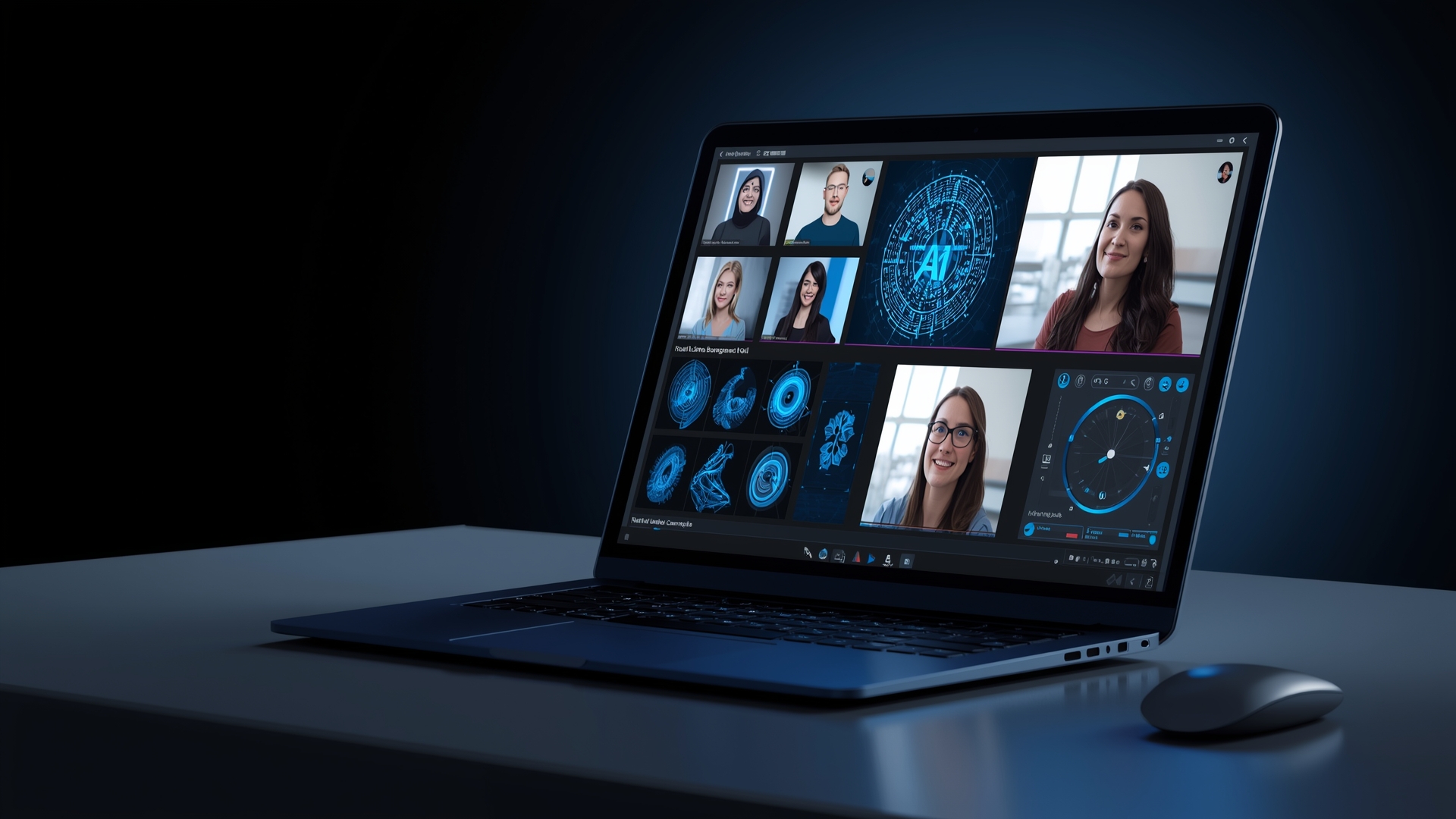
What Exactly Are Next-Gen AI PCs?
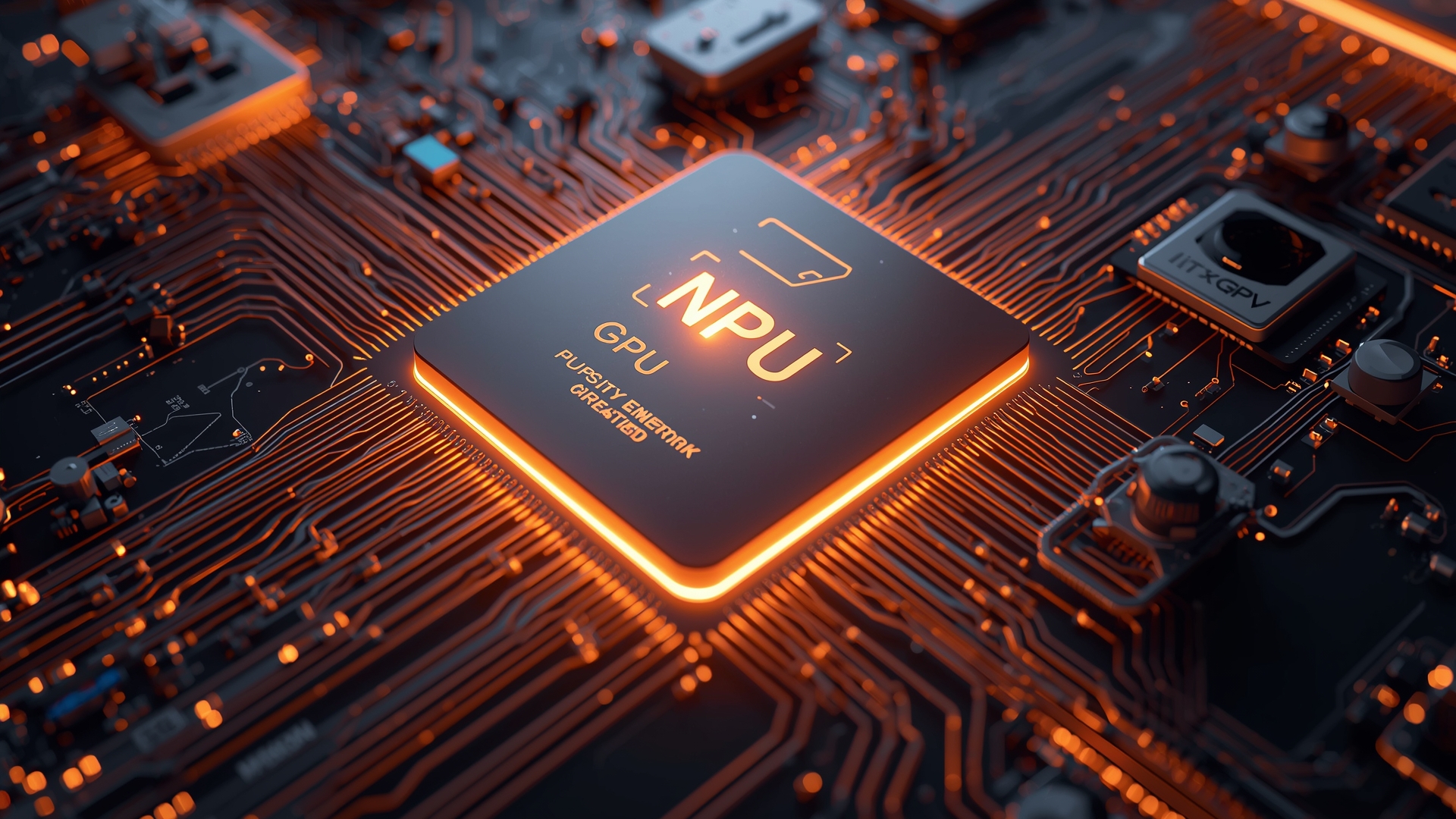
At its heart, a **Next-Gen AI PC** is characterized by the presence of a dedicated Neural Processing Unit (NPU). While traditional CPUs (Central Processing Units) and GPUs (Graphics Processing Units) have long handled various computational tasks, including some AI operations, an NPU is specifically designed and optimized for machine learning algorithms. This specialized hardware accelerates AI tasks such as neural network inference, pattern recognition, and natural language processing, delivering a significant boost in performance and energy efficiency compared to relying solely on the CPU or GPU for these specific operations.
Historically, most sophisticated AI processing occurred in the cloud, leveraging powerful remote servers. However, this approach introduced latency, privacy concerns, and a dependency on internet connectivity. **Next-Gen AI PCs** bring powerful AI capabilities directly to your desktop or laptop, enabling real-time, on-device AI applications. This shift is crucial for fostering a new generation of personal computing experiences that are more immediate, personalized, and secure.
The Core Components: NPU, CPU, and GPU Synergy
The true power of **Next-Gen AI PCs** lies in the harmonious interplay between their core processing units. It’s not about replacing the CPU or GPU, but augmenting them with specialized AI acceleration.
* **CPU (Central Processing Unit):** The brain of the computer, handling general-purpose tasks, operating system operations, and sequential processing. For less demanding or foundational AI tasks, the CPU still plays a role.
* **GPU (Graphics Processing Unit):** Originally designed for rendering graphics, GPUs excel at parallel processing, making them ideal for training complex AI models and handling graphically intensive AI applications like 3D rendering or high-resolution image generation.
* **NPU (Neural Processing Unit):** This is the game-changer for **Next-Gen AI PCs**. NPUs are purpose-built for AI inference—running pre-trained AI models with extreme efficiency. They consume less power for AI tasks than a CPU or GPU, making them perfect for sustained, on-device AI features in laptops and other portable devices.
This tri-processor architecture allows the PC to intelligently offload AI workloads to the most appropriate component, maximizing performance, efficiency, and battery life. For instance, a quick background blur in a video call might go to the NPU, while a complex video upscaling task could leverage the GPU, and general system operations remain with the CPU.
Unlocking New Capabilities: Everyday Uses of Next-Gen AI PCs
The integration of dedicated AI hardware in **Next-Gen AI PCs** isn’t just a technical marvel; it translates into tangible benefits and exciting new features for everyday users. The applications span across productivity, creativity, communication, and security.
One of the most immediate impacts is seen in **enhanced video conferencing**. Features like real-time background blur, automatic framing that keeps you centered in the shot, and even AI-powered eye contact correction are processed on-device, offering smoother, more natural interactions without draining your battery or relying on a perfect internet connection. This ensures a more professional and engaging virtual presence.
For **creators and professionals**, **Next-Gen AI PCs** accelerate tasks that were once time-consuming. Imagine lightning-fast image editing with AI-powered object removal, instant video transcriptions, or even AI-assisted code generation. Content creation becomes more fluid, allowing artists and designers to focus on their vision rather than waiting for renders or complex computations. Learn more about the underlying technology on /understanding-npu-technology.
**Personal assistants** also become smarter and more responsive. AI agents like Microsoft’s Copilot can understand context better, offer more relevant suggestions, and execute complex multi-step commands with greater accuracy, transforming how we interact with our operating systems and applications. This leads to a more intuitive and personalized computing experience.
Beyond the Hype: Real-World Benefits for Users
While the technological advancements are impressive, the true value of **Next-Gen AI PCs** lies in the real-world advantages they offer to users.
**Productivity Gains:** By offloading specific AI tasks to the NPU, the CPU and GPU are freed up for other operations, leading to a snappier, more responsive overall system. This means faster boot times for AI-enhanced applications, quicker processing of AI-driven commands, and a smoother multitasking experience, significantly boosting daily productivity.
**Energy Efficiency:** NPUs are designed for high efficiency in AI computations. Performing these tasks on the NPU consumes significantly less power than running them on the CPU or GPU. For laptop users, this translates directly into extended battery life, allowing you to use AI-powered features for longer periods without needing to find a power outlet.
**Enhanced Privacy and Security:** Moving AI processing from the cloud to the device offers substantial privacy benefits. Sensitive data, such as your voice commands, facial scans, or personal documents analyzed by AI, can remain on your local machine, reducing the risk of data breaches or unauthorized access. On-device AI minimizes the need to send personal information over the internet to external servers, providing a more secure computing environment.
**Offline Capabilities:** Many AI features, which previously required an internet connection to access cloud AI services, can now function entirely offline on **Next-Gen AI PCs**. This is invaluable for users in areas with unreliable internet access or those who need to work on the go without constant connectivity.
Key Players and Emerging Technologies in Next-Gen AI PCs
The race to dominate the **Next-Gen AI PCs** market is heating up, with major silicon manufacturers and software giants investing heavily in this transformative technology.
**Intel** has made significant strides with its Core Ultra processors, which integrate a dedicated NPU alongside its CPU and GPU cores. Their ‘AI Boost’ NPU is designed to handle sustained AI workloads efficiently, powering features across various applications. You can explore Intel’s advancements in AI PCs here: [https://www.intel.com/content/www/us/en/newsroom/what-is-ai-pc.html](https://www.intel.com/content/www/us/en/newsroom/what-is-ai-pc.html).
**AMD** is also a strong contender with its Ryzen AI processors, which feature an integrated AI engine. These processors are designed to deliver robust performance for AI-accelerated tasks, particularly in creative and productivity applications.
**Qualcomm** has entered the PC market with its Snapdragon X Elite and X Plus platforms, promising unparalleled efficiency and performance for AI workloads, often highlighting their superior NPU capabilities. These ARM-based chips are set to challenge the traditional x86 dominance, especially in areas of battery life and sustained AI performance.
**Microsoft** is a pivotal player on the software front, driving the ‘Copilot+ PC’ initiative. This vision aims to tightly integrate its AI assistant, Copilot, with the NPU hardware of **Next-Gen AI PCs**, offering a suite of exclusive AI-powered features like ‘Recall’, ‘Cocreator’, and live captions with translation, promising a profoundly AI-centric Windows experience. Discover more about Copilot+ PCs here: [https://www.microsoft.com/en-us/windows/copilot-plus-pcs](https://www.microsoft.com/en-us/windows/copilot-plus-pcs).
The synergy between hardware and software is critical; these advancements from chipmakers are being met with a growing ecosystem of AI-optimized applications from software developers, maximizing the potential of these new machines.
The Road Ahead: Challenges and Future Outlook for Next-Gen AI PCs
While the promise of **Next-Gen AI PCs** is immense, the journey ahead is not without its challenges. One significant hurdle is the **software ecosystem**. For NPUs to truly shine, developers need to optimize their applications to leverage this specialized hardware. This requires new development tools, frameworks, and a concerted effort from the software community to adopt AI-native approaches.
**Ethical considerations** also loom large. As AI capabilities become more deeply integrated into personal devices, questions around data privacy, algorithmic bias, and the potential for misuse of powerful AI tools will need careful consideration and robust safeguards. Ensuring transparency and user control will be paramount.
Despite these challenges, the future of **Next-Gen AI PCs** looks incredibly bright. We can anticipate even more powerful and efficient NPUs, capable of handling increasingly complex AI models. This will lead to further innovations in natural language understanding, real-time creative assistance, predictive analytics, and deeply personalized user interfaces that adapt seamlessly to individual needs and preferences.
As the technology matures, **Next-Gen AI PCs** are expected to become the new standard, making dedicated AI acceleration a ubiquitous feature across all segments of personal computing. This will undoubtedly influence how we choose our future devices, making a powerful NPU as crucial as a capable CPU or GPU. For those considering an upgrade, understanding these new capabilities is key to making an informed decision. See our guide on /guide-to-buying-a-new-laptop.
Conclusion
The arrival of **Next-Gen AI PCs** marks a pivotal moment in the history of personal computing. By embedding dedicated AI acceleration hardware (NPUs) directly into our devices, manufacturers are not just offering incremental performance upgrades, but fundamentally reshaping what a personal computer can do. From dramatically improving productivity and fostering new avenues for creativity to enhancing privacy and extending battery life, these intelligent machines are set to redefine our digital experiences. As the technology matures and the software ecosystem expands, **Next-Gen AI PCs** will undoubtedly become the standard, making on-device AI an indispensable part of our daily lives and cementing their role as the cornerstone of the computing future.