
The Dawn of a New Era for Handheld Gaming PCs
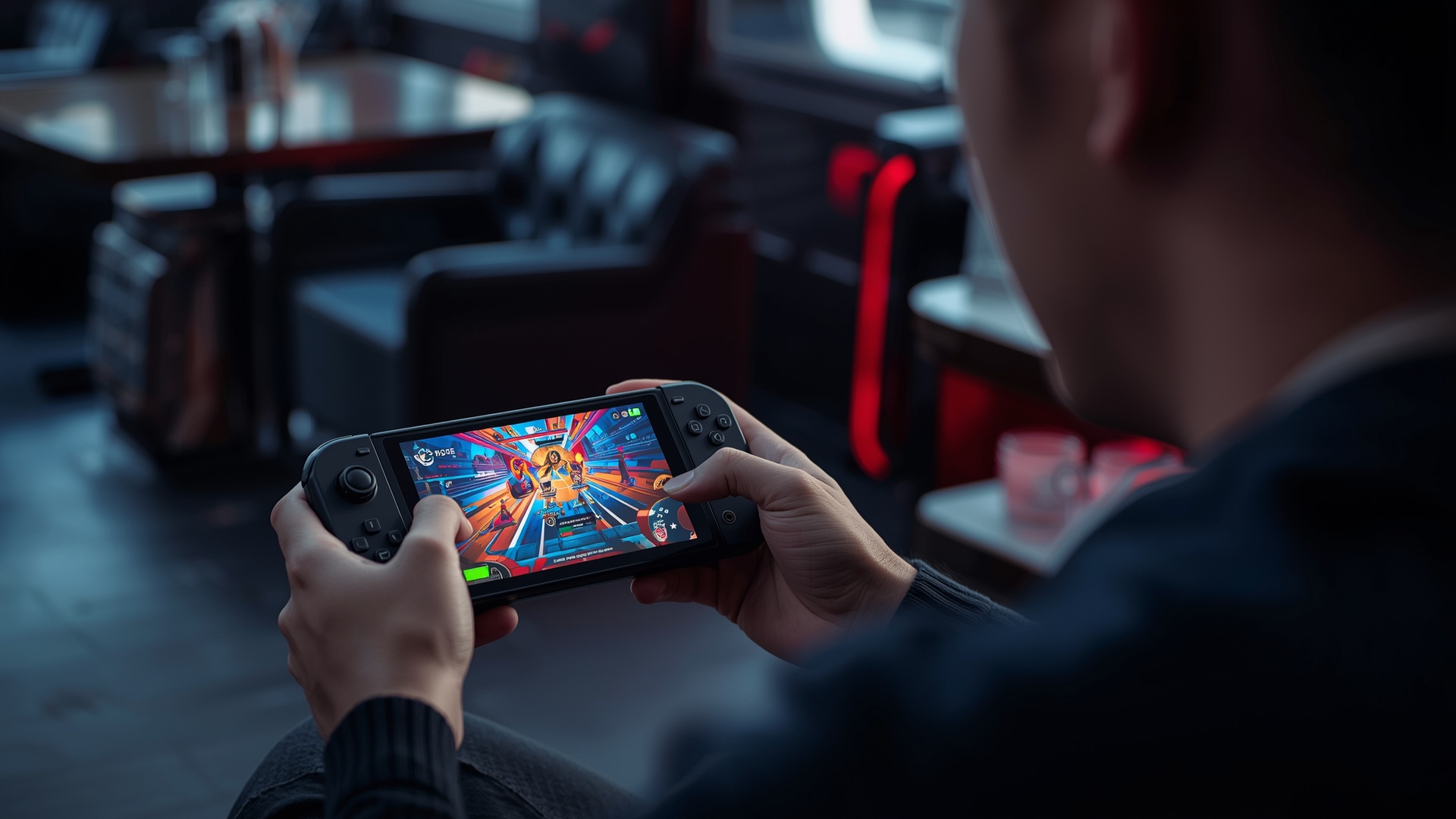
While the concept of a portable PC capable of gaming isn’t entirely new, the current generation of devices marks a significant leap. Previous attempts often compromised too much on performance, battery life, or ergonomics. The modern iteration of **Handheld Gaming PCs** addresses these shortcomings with a potent blend of hardware innovation and software optimization.
From the moment Valve announced the Steam Deck, the industry took notice. It wasn’t just another gadget; it was a statement. Other manufacturers quickly followed suit, recognizing the immense potential of a device that could bridge the gap between dedicated gaming consoles and high-end gaming PCs. This competitive landscape has fostered rapid technological advancements, benefiting consumers with more powerful, refined, and diverse options.
Today, gamers have an unprecedented choice. Whether prioritizing raw power, ergonomic comfort, or a specific operating system, there’s a **Handheld Gaming PC** designed to meet their needs. This diversity is driving adoption and fueling a vibrant community eager to explore the possibilities of truly portable PC gaming.
Key Players in the Handheld Gaming PCs Market
The current market for **Handheld Gaming PCs** is dominated by a few key players, each bringing their unique vision and technological prowess to the table. These devices showcase the pinnacle of compact engineering, packing high-performance components into a form factor suitable for on-the-go gaming.
The Valve Steam Deck: The Pioneer
Valve’s Steam Deck, launched in early 2022, is widely credited with igniting the current boom. Running on a custom AMD APU and SteamOS (a Linux-based operating system tailored for gaming), it provides direct access to a vast Steam library. Its robust software ecosystem and ergonomic design have made it a favorite among PC gamers looking for a seamless transition to portable play. The Steam Deck’s success proved that there was a massive demand for powerful, dedicated **Handheld Gaming PCs** that could run modern AAA titles.
ASUS ROG Ally: Power and Windows Compatibility
Following the Steam Deck’s success, ASUS entered the fray with the ROG Ally, a device running Windows 11. This immediately offered broader compatibility with game launchers beyond Steam, including Epic Games, Xbox Game Pass, and GOG. Equipped with AMD’s Ryzen Z1 Extreme APU, the ROG Ally boasted significant performance improvements over the original Steam Deck, often delivering higher frame rates in demanding titles. Its vibrant display and lightweight design further cemented its position as a formidable competitor.
Lenovo Legion Go: Big Screen, Unique Features
Lenovo’s entry, the Legion Go, differentiated itself with an even larger 8.8-inch QHD+ display and detachable controllers, reminiscent of the Nintendo Switch. Also running Windows 11 and powered by the Ryzen Z1 Extreme, the Legion Go aimed for maximum versatility, allowing users to game in various configurations. These devices, alongside offerings from other manufacturers like Ayaneo and GPD, continue to push the boundaries of what’s possible in the realm of **Handheld Gaming PCs**.
What Powers These Portable Powerhouses?
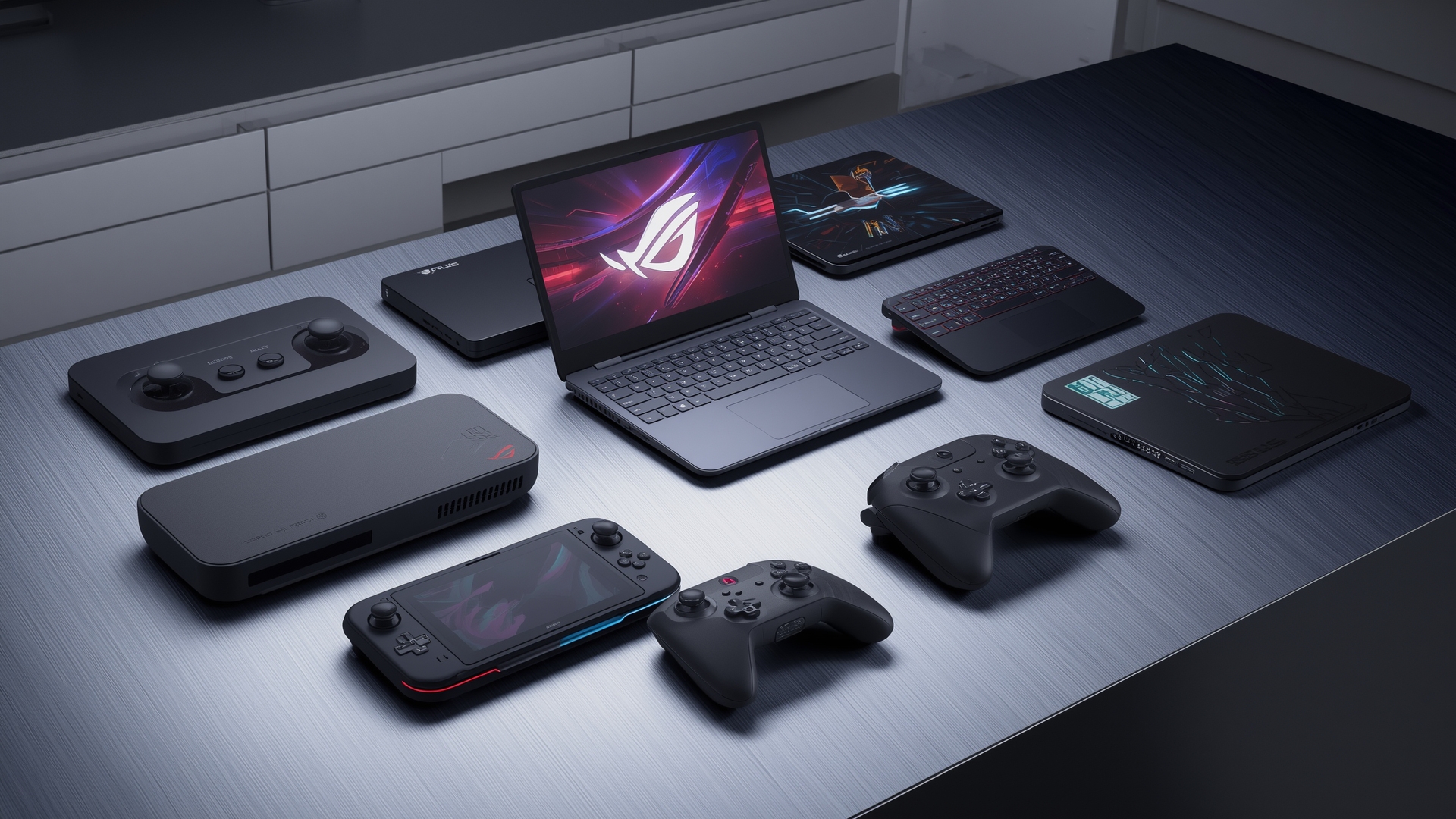
The magic behind modern **Handheld Gaming PCs** lies primarily in their advanced hardware, particularly the System-on-a-Chip (SoC) design. These integrated units combine CPU, GPU, and other essential components onto a single die, optimizing for space, power efficiency, and thermal management.
The Processor Revolution: AMD APUs
At the heart of most leading **Handheld Gaming PCs** are custom Accelerated Processing Units (APUs) developed by AMD. The Steam Deck utilizes a custom Aerith APU, while the ROG Ally and Legion Go leverage the more powerful Ryzen Z1 Extreme. These APUs integrate powerful Zen 4 CPU cores with RDNA 3 graphics architecture, offering a significant leap in graphical fidelity and processing power for a portable device. This integration is crucial for maintaining performance in a compact form factor, allowing these devices to run games that previously required much larger, dedicated hardware.
Displays and Ergonomics
Beyond raw processing power, the user experience is heavily influenced by the display and physical design. Most **Handheld Gaming PCs** feature high-resolution (often 1080p or higher) LCD or OLED touchscreens, with refresh rates ranging from 60Hz to 120Hz for smoother gameplay. Ergonomics are equally vital, with manufacturers designing comfortable grips, responsive joysticks, and well-placed buttons to ensure extended play sessions are enjoyable. Considerations for weight distribution and material quality also contribute significantly to the overall feel of these sophisticated devices.
Storage and Expandability
Storage solutions vary, with many devices offering fast NVMe SSDs for quick game loading. Capacities typically range from 256GB to 1TB, with most offering expandable storage via microSD card slots. This expandability is a critical feature, given the ever-increasing file sizes of modern AAA games. The balance between internal high-speed storage and affordable expansion options makes these **Handheld Gaming PCs** highly practical for gamers with large digital libraries.
Performance and Practicality: Benchmarks and Real-World Usage
The true test of any gaming device comes down to its real-world performance. **Handheld Gaming PCs** promise an experience akin to a desktop or laptop, but in a much smaller package. Understanding what to expect in terms of frame rates, battery life, and software compatibility is crucial for potential buyers.
Gaming on the Go: What to Expect
Modern **Handheld Gaming PCs** are capable of running a vast majority of PC titles, including demanding AAA games, albeit often with graphical settings adjusted. For titles like *Cyberpunk 2077* or *Starfield*, users can expect playable frame rates (30-60 FPS) at medium to low settings, depending on the device and resolution. Less demanding indie games or older AAA titles often run flawlessly at higher settings. The ability to dock these devices to an external monitor further enhances their versatility, effectively transforming them into mini-desktops for casual use or less demanding desktop tasks. More detailed performance comparisons can be found on sites like /internal-link-example, offering insights into specific game benchmarks.
Battery Life and Thermal Management
Battery life remains a significant challenge for powerful **Handheld Gaming PCs**. Running demanding games drains batteries quickly, with typical playtimes ranging from 1.5 to 4 hours, depending on the game’s intensity and chosen power profile. Manufacturers are constantly working to optimize power consumption and improve battery capacity, but the inherent power needs of PC components mean users often need to carry a charger or power bank for extended sessions. Thermal management is another critical aspect, with advanced cooling systems (fans, heat pipes) being essential to prevent throttling and ensure consistent performance during long gaming periods. Learn more about advanced thermal solutions from industry experts like TechRadar: https://www.techradar.com/gaming/gaming-pcs/best-gaming-handheld
Operating Systems and Compatibility
The choice of operating system heavily influences the user experience. Valve’s SteamOS, optimized for the Steam Deck, offers a console-like interface and deep integration with the Steam ecosystem. While excellent for Steam games, it requires some tinkering for non-Steam titles. In contrast, devices running Windows 11, like the ROG Ally and Legion Go, offer broader compatibility with virtually all PC game launchers and applications out-of-the-box. This flexibility allows users to access services like Xbox Game Pass or Epic Games Store without significant workarounds, making Windows-based **Handheld Gaming PCs** more akin to miniature desktop replacements.
The Impact of Handheld Gaming PCs on the Gaming Landscape
The emergence and rapid growth of **Handheld Gaming PCs** are having a profound impact on several facets of the gaming industry, from consumer habits to game development strategies. These devices are more than just portable consoles; they represent a convergence of PC flexibility and console convenience.
Bridging the Console-PC Divide
One of the most significant impacts is the blurring of lines between traditional console gaming and PC gaming. **Handheld Gaming PCs** offer the accessibility and ‘pick-up-and-play’ nature of a console, combined with the vast game libraries, customization, and open-ended nature of PC gaming. This hybrid approach appeals to a broad demographic, including console gamers curious about PC titles and PC gamers seeking more flexibility.
Developer Considerations
For game developers, the rise of **Handheld Gaming PCs** presents new opportunities and challenges. Optimizing games for smaller screens, lower power targets, and different control schemes (touchscreen, physical buttons, gyro) becomes increasingly important. While many games run well, a growing trend sees developers specifically adding optimizations or ‘Deck Verified’ badges, ensuring a smooth experience on these devices. This push for optimization on lower-spec hardware can benefit PC gamers across the board, leading to more efficient game development.
Accessibility and Affordability
These devices also enhance accessibility. For many, a dedicated high-end gaming PC or laptop is financially out of reach. **Handheld Gaming PCs** offer a more affordable entry point into the PC gaming ecosystem, providing a robust gaming experience at a fraction of the cost of a full desktop setup. This democratization of PC gaming allows a wider audience to enjoy titles previously exclusive to more expensive hardware, further expanding the global gaming community. For more on the accessibility of such devices, consider resources like /internal-link-example-2.
The Future of Handheld Gaming PCs
The trajectory of **Handheld Gaming PCs** is one of continuous innovation and expansion. As technology evolves, so too will the capabilities and form factors of these devices, promising an even more compelling future for portable PC gaming.
What’s Next for Hardware?
Future iterations of **Handheld Gaming PCs** are likely to see even more powerful and power-efficient APUs from AMD, Intel, and potentially Qualcomm, which recently entered the PC chip market. Improvements in battery technology will be crucial for extending playtimes. We can also anticipate advancements in display technology, with higher refresh rates, better color accuracy, and potentially variable refresh rate (VRR) support becoming standard. Ergonomic designs will continue to be refined, possibly introducing more modular components or even more unique controller configurations.
Software Innovations and Ecosystem Growth
Software will play an equally important role. Operating systems tailored for handheld use will become more polished and feature-rich, offering seamless experiences across different launchers and applications. Cloud gaming integration may also become more native, allowing users to switch effortlessly between local and streamed games. The ecosystem around **Handheld Gaming PCs**, including accessories like docks, external GPUs (eGPUs), and carrying cases, will also expand, offering more ways for users to customize and enhance their portable gaming experience. The ongoing competition among manufacturers and the continuous feedback from a passionate user base will ensure that **Handheld Gaming PCs** remain at the forefront of gaming innovation.
Conclusion
The rise of **Handheld Gaming PCs** represents one of the most exciting developments in modern gaming tech. Devices like the Steam Deck, ROG Ally, and Legion Go have shattered previous limitations, delivering genuinely powerful PC gaming experiences in a compact, portable form factor. They have democratized PC gaming, bridged the gap between console and desktop, and redefined expectations for on-the-go entertainment.
While challenges like battery life and thermal management persist, the rapid pace of innovation suggests a bright future. As hardware becomes more efficient and software more refined, **Handheld Gaming PCs** are set to become an even more indispensable part of the gaming landscape, offering unparalleled freedom and flexibility to gamers worldwide. The question is no longer *if* they’re viable, but *how far* they can push the boundaries of portable play.