

The Dawn of a New Medical Era
The journey of AI into the medical domain marks the beginning of an era characterized by unparalleled analytical power and efficiency. **AI in healthcare** is proving to be an indispensable tool, capable of processing and interpreting vast quantities of data at speeds and accuracies far beyond human capacity. This ability is crucial in a field awash with complex information, from patient records to genetic sequences.
### Enhanced Diagnostics and Imaging
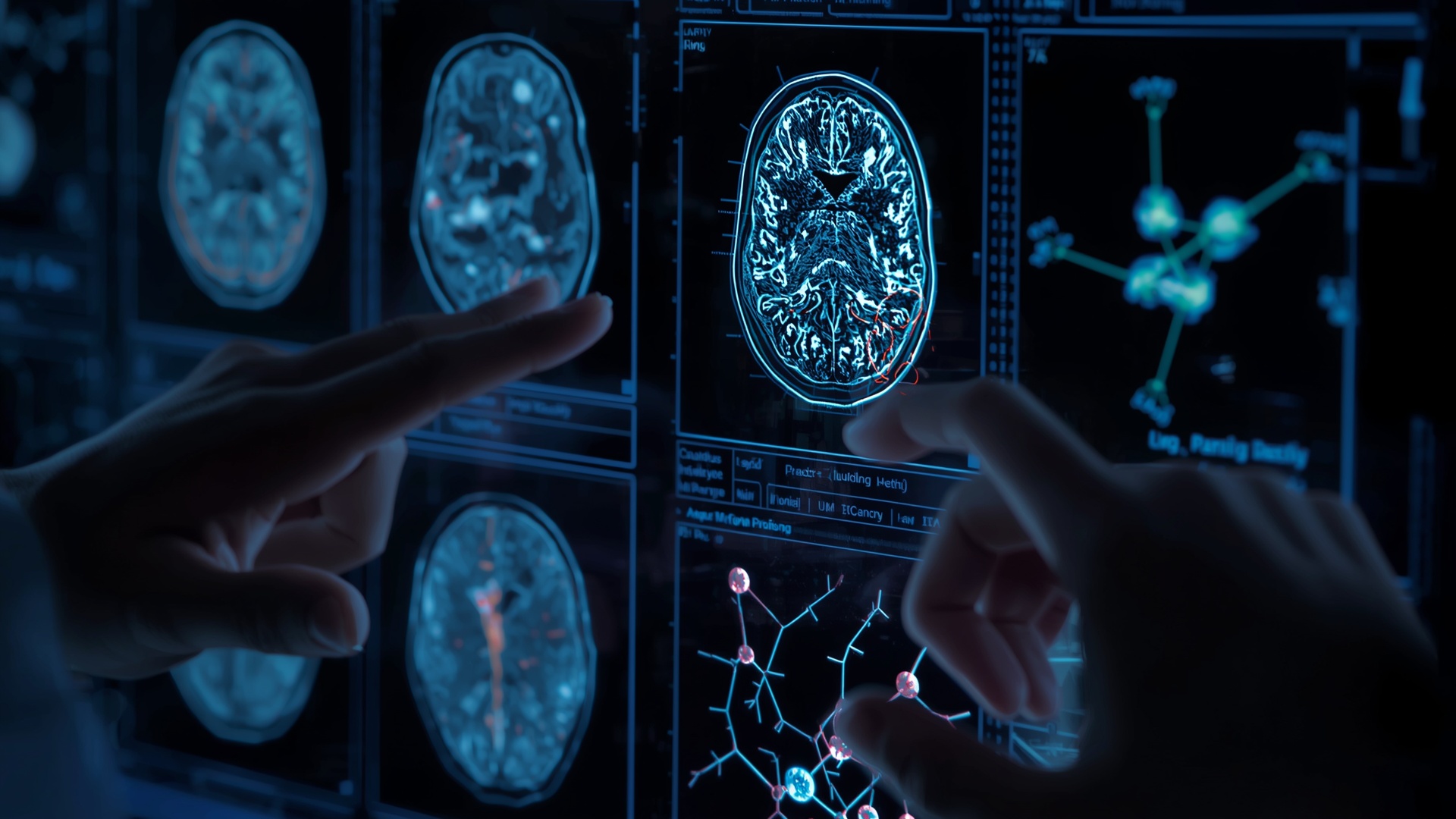
One of the most immediate and impactful applications of **AI in healthcare** is in diagnostics. AI-powered systems can analyze medical images such as X-rays, MRIs, CT scans, and pathology slides with incredible precision, often identifying subtle patterns that might be missed by the human eye. This capability is particularly vital in early disease detection, such as identifying cancerous lesions or neurological disorders at their nascent stages.
For instance, deep learning algorithms are being trained on vast datasets of medical images to detect conditions like diabetic retinopathy or certain types of skin cancer with accuracy comparable to, or even exceeding, expert clinicians. This not only expedites diagnoses but also reduces the potential for human error, leading to more timely and effective treatments. The ability of AI to swiftly process and learn from millions of images dramatically shortens the diagnostic timeline, an essential factor in diseases where early intervention is key to survival and recovery. This level of automation also promises to alleviate the workload on radiologists and pathologists, allowing them to focus on more complex cases.
### Revolutionizing Drug Discovery
The traditional process of drug discovery is notoriously time-consuming, expensive, and often plagued by high failure rates, frequently taking over a decade and costing billions of dollars per drug. **AI in healthcare** offers a paradigm shift in this area. Machine learning algorithms can rapidly analyze molecular structures, predict drug-target interactions, and identify promising compound candidates much faster than conventional methods. This accelerates the identification of viable drug candidates, optimizes their design, and even forecasts their potential efficacy and side effects.
By simulating countless molecular interactions and screening virtual libraries of compounds, AI dramatically reduces the experimental burden, bringing potentially life-saving drugs to market more quickly. This speed is critical, especially in the face of emerging global health crises, as seen with the accelerated development during recent pandemics. Furthermore, AI can identify new uses for existing drugs (drug repurposing), potentially unlocking new treatments for rare diseases with significantly reduced development costs and timelines. The predictive power of AI also extends to identifying patient cohorts most likely to respond to a particular drug, thereby streamlining clinical trials and making them more efficient.
Personalized Medicine and Predictive Analytics
The concept of “one-size-fits-all” medicine is rapidly becoming obsolete, thanks to the advent of AI. Personalized medicine, which tailors medical treatment to the individual characteristics of each patient, is one of the most exciting frontiers. **AI in healthcare** is the engine driving this revolution.
### Tailoring Treatments for Individuals
Genomic data, patient history, lifestyle factors, and environmental exposures all contribute to how an individual responds to treatment. AI systems can synthesize this complex array of data to create highly personalized treatment plans. For oncology patients, for example, AI can analyze a tumor’s genomic profile to recommend the most effective targeted therapies, minimizing adverse effects and maximizing treatment success. This level of personalization extends beyond medication, influencing dietary recommendations, exercise regimens, and even surgical approaches.
By cross-referencing vast databases of clinical trials, real-world outcomes, and genetic markers, AI can identify subtle correlations that human analysis might miss. The promise of **AI in healthcare** here is a future where every treatment is uniquely optimized for the individual, leading to superior outcomes and a higher quality of life. This precision medicine approach not only enhances efficacy but also significantly reduces the trial-and-error often associated with conventional treatments, saving both time and resources. For a deeper dive into tailored health solutions, consider exploring articles on /internal-link-example.
### Proactive Health Management
Beyond treating existing conditions, AI is shifting the focus towards proactive and preventative healthcare. Predictive analytics, powered by machine learning, can identify individuals at high risk for developing certain diseases based on their genetic predispositions, biometric data from wearables, and lifestyle patterns. This enables healthcare providers to intervene earlier, recommending preventative measures or lifestyle changes before a disease manifests or progresses significantly.
For example, AI can analyze continuous glucose monitoring data to predict hypoglycemic events in diabetics or detect early signs of cardiovascular issues from smartwatch data. By continuously monitoring and learning from an individual’s health metrics, AI can provide timely alerts and personalized recommendations that empower patients to take control of their health. This proactive approach not only improves patient health but also significantly reduces long-term healthcare costs by preventing acute conditions that require expensive interventions. The integration of AI with smart devices and home health sensors is creating a continuous, intelligent health monitoring system that redefines preventative care.
Operational Efficiency and Patient Care with AI in Healthcare
The impact of AI extends beyond clinical applications, reaching deep into the operational backbone of healthcare systems. By automating administrative tasks and optimizing resource allocation, **AI in healthcare** enhances efficiency, reduces burnout, and ultimately frees up human staff to focus on direct patient care.
### Streamlining Hospital Operations
Hospitals and clinics are complex ecosystems, burdened by administrative overhead, staffing challenges, and resource management issues. AI can optimize scheduling for staff and patients, manage inventory of medical supplies, and even predict patient flow to prevent overcrowding. For instance, AI algorithms can analyze historical data to forecast emergency room admissions, allowing hospitals to allocate resources more effectively. This leads to smoother operations, reduced waiting times, and a more efficient use of valuable healthcare resources.
Beyond resource allocation, AI can automate routine administrative tasks like insurance claims processing, medical coding, and electronic health record management. This automation not only reduces the potential for human error but also frees up significant staff time, allowing medical personnel to dedicate more attention to patients rather than paperwork. The economic implications of such efficiencies are substantial, potentially saving healthcare systems billions globally, while simultaneously improving the overall patient experience through reduced waiting times and more organized care delivery.
### Improving Patient Engagement
AI-powered chatbots and virtual assistants are transforming how patients interact with healthcare providers. These tools can answer frequently asked questions, assist with appointment scheduling, provide medication reminders, and offer preliminary symptom assessments, guiding patients on whether to seek professional medical attention. This improves accessibility to information and support, especially for patients in remote areas or those with limited mobility.
By providing 24/7 support and personalized interactions, these AI interfaces enhance patient engagement and satisfaction, making healthcare feel more responsive and patient-centric. They can also deliver tailored health education materials, explain complex medical conditions in understandable terms, and even provide mental health support through guided exercises or referral services. The continued development of conversational **AI in healthcare** promises even more sophisticated and empathetic digital companions, fostering a more informed and empowered patient community. These tools are particularly valuable in chronic disease management, where consistent engagement and education are paramount.
Ethical Considerations and the Future Landscape
While the benefits of **AI in healthcare** are immense, its widespread adoption also brings forth critical ethical and societal considerations. Addressing these challenges responsibly will be paramount to realizing AI’s full potential in a way that is equitable and trustworthy.
### Addressing Bias and Privacy
AI systems are only as unbiased as the data they are trained on. If training data reflects existing societal biases or lacks representation from diverse populations, AI algorithms can perpetuate or even amplify these biases, leading to unequal or inaccurate care for certain groups. This is a critical concern, as biased AI could exacerbate health disparities. Furthermore, the handling of sensitive patient data by AI systems raises significant privacy concerns, requiring robust cybersecurity measures and strict adherence to data protection regulations like HIPAA or GDPR.
Robust regulatory frameworks, explainable AI (XAI) models that clarify how AI reaches its conclusions, and stringent data governance are crucial to ensure fairness, transparency, and patient data protection. Organizations globally are working on guidelines to ensure ethical AI development in health, a topic explored further at /internal-link-example. The trust of patients and practitioners hinges on these safeguards, ensuring that AI serves all populations equitably and securely. For insights into global health initiatives involving AI, refer to the World Health Organization: [https://www.who.int/news-room/spotlight/ai-in-health](https://www.who.int/news-room/spotlight/ai-in-health).
### Collaborative Human-AI Ecosystem
The future of **AI in healthcare** is not one where machines replace humans, but rather one where they augment human capabilities. AI will act as a powerful co-pilot, assisting clinicians with complex decision-making, reducing cognitive load, and freeing them to focus on empathy, patient communication, and nuanced judgment that only humans can provide. AI can handle the data-intensive, repetitive tasks, allowing healthcare professionals to dedicate more time to the human aspects of care.
Training healthcare professionals to effectively interact with and leverage AI tools will be essential. This includes understanding AI’s limitations, verifying its outputs, and integrating AI insights into clinical practice seamlessly. This collaborative ecosystem, where human expertise is enhanced by AI’s analytical prowess, promises a future of healthcare that is more intelligent, compassionate, and ultimately more human. It’s a partnership where AI provides the analytical power, and humans provide the wisdom, empathy, and ethical oversight, leading to optimal patient outcomes.
Conclusion
The integration of **AI in healthcare** represents a transformative leap forward for medicine, promising a future where diagnostics are more accurate, treatments are more personalized, and healthcare is more accessible and efficient. From accelerating drug discovery to revolutionizing operational workflows, AI’s potential to enhance every facet of the medical journey is undeniable. The meticulous analysis of vast datasets by AI systems is paving the way for unprecedented insights into human health and disease.
While challenges related to ethics, bias, and data privacy remain, ongoing advancements and responsible development are paving the way for a human-AI collaborative ecosystem. The commitment to developing transparent, fair, and secure AI solutions will be critical in building public and professional trust. As we move deeper into the 21st century, AI will not merely assist but fundamentally redefine healthcare, leading to healthier lives and a more robust global medical infrastructure. The revolution of AI in healthcare is well underway, and its ultimate impact promises to be nothing short of life-changing for millions worldwide. For cutting-edge research and publications on AI in medicine, explore reputable sources like Nature Medicine’s collection on AI: [https://www.nature.com/collections/ai-in-medicine](https://www.nature.com/collections/ai-in-medicine).