
2. The Rise of Multimodal AI Systems
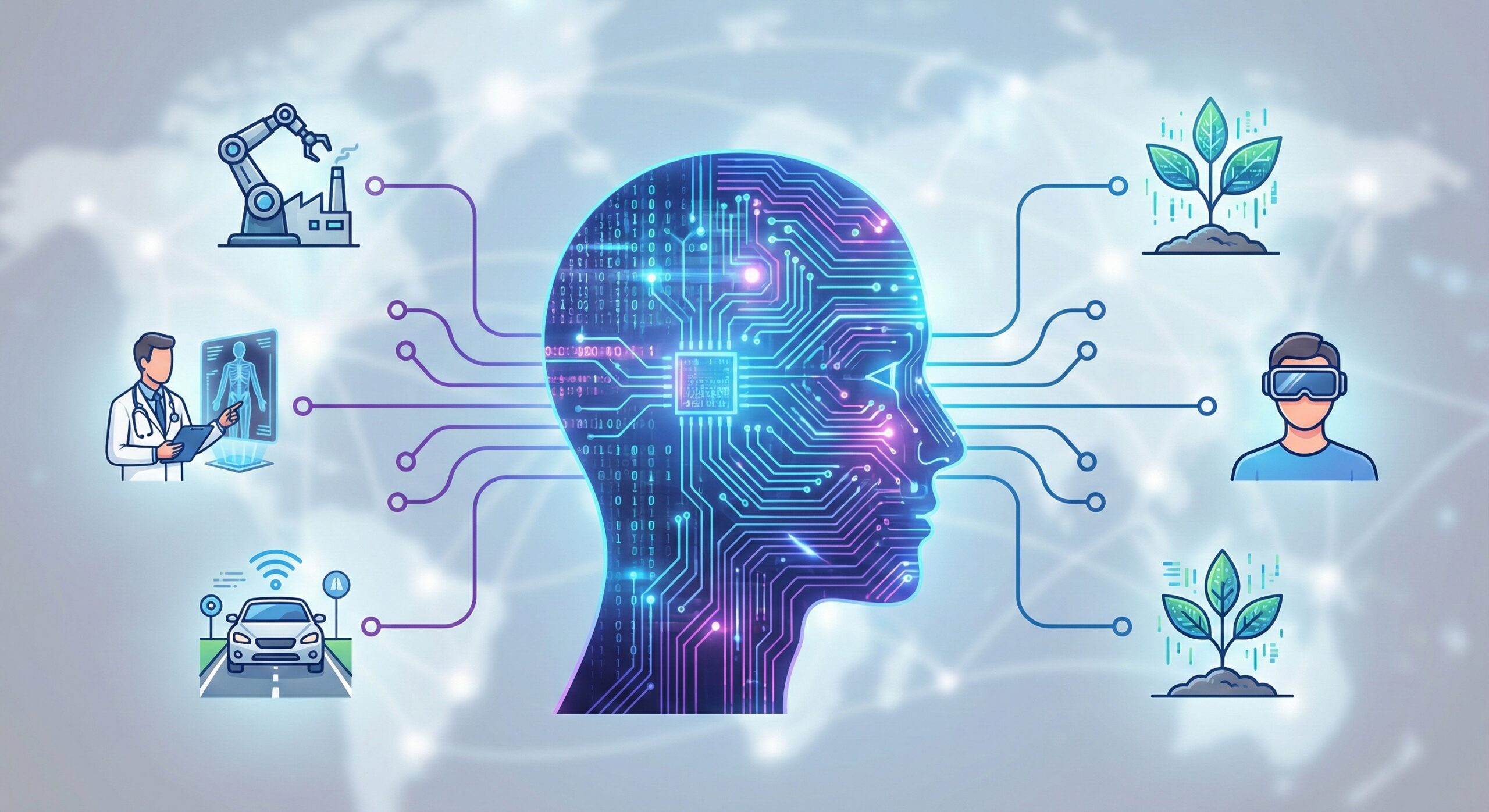
Current AI models are mostly “unimodal,” meaning they specialize in one type of data, like text or images. The future is multimodal AI—systems that can understand, interpret, and process multiple types of information simultaneously, just like humans do.
A multimodal system won’t just “see” a picture of a broken bicycle; it will be able to:
- Identify the specific part that’s broken from an image.
- Read a repair manual to find the solution.
- Listen to your verbal questions about the process.
- Guide you through the repair step-by-step using a combination of voice instructions and visual aids.
This will lead to far more capable and intuitive virtual assistants and problem-solving tools.

3. From Chatbots to Autonomous AI Agents
Right now, you have to prompt an AI to get a result. In the near future, AI agents will be able to act autonomously to achieve a goal you’ve set.
Instead of asking ChatGPT to “write an email to my boss,” you could tell an AI agent, “Plan a business trip to London for next month, keeping it under $2000.” The agent would then:
- Search for flights and hotels, comparing prices.
- Check your calendar for availability.
- Book the tickets and accommodation.
- Add the itinerary to your calendar and send you a summary.
This shift from passive tools to proactive assistants will fundamentally change how we work and manage our lives, freeing up vast amounts of time.
4. The Crucial Conversation Around Ethical AI
With great power comes great responsibility. As AI becomes more autonomous and integrated into society, the need for ethical AI frameworks becomes paramount.
We will see a much stronger focus on:
- Combating Bias: Ensuring AI models are trained on diverse datasets to prevent discriminatory outcomes in areas like hiring, lending, and law enforcement.
- Transparency and Explainability: Understanding how an AI system arrived at a decision is crucial for building trust. We’ll need “explainable AI” that can provide a clear rationale for its actions.
- Regulation and Governance: Governments and international bodies will likely step in to establish clear rules and standards for the development and deployment of powerful AI systems.
The future isn’t just about building more powerful AI; it’s about building AI that is fair, transparent, and beneficial for all of humanity.